
 Archie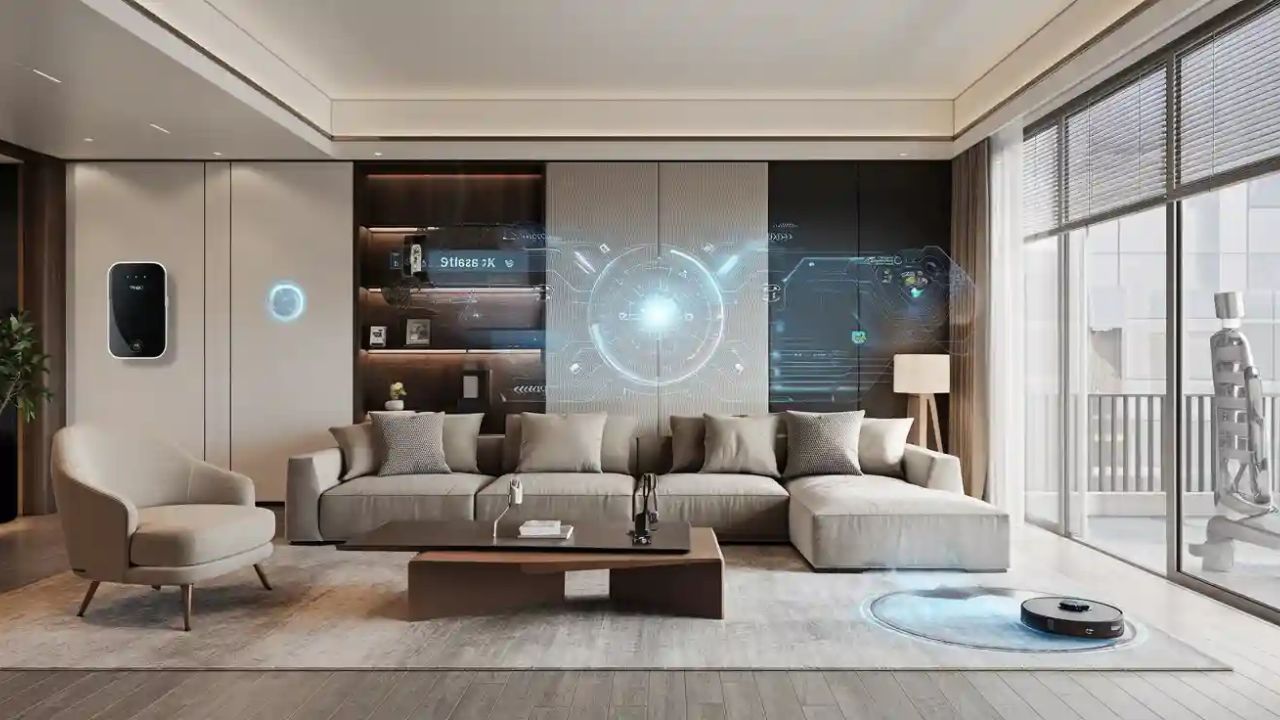
Homes are no longer designed only for basic comfort and shelter. Modern lifestyles have changed significantly, and living spaces now need to support work, relaxation, entertainment, and personal wellbeing all within the same environment. As routines and priorities evolve, home interiors must adapt to meet these changing needs.
A well designed interior is not only visually appealing but also flexible and functional. Adapting living spaces allows people to create homes that remain practical and comfortable through different stages of life.
Designing For Flexibility And Functionality
One of the most important aspects of adaptable interiors is flexibility. Furniture and layouts should support multiple purposes instead of being limited to a single function.
For example, a dining area may also serve as a workspace, while a guest room can double as a reading or creative space. Multifunctional furniture such as foldable tables, storage beds, and modular seating helps maximize available space without creating clutter.
Modern homeowners often seek inspiration from Australian business news for entrepreneurs because entrepreneurial lifestyles increasingly influence home design, especially for individuals working remotely or managing businesses from home.
Creating Comfortable Workspaces At Home
Remote work has transformed how people use their interiors. Many homes now require dedicated work areas that encourage focus and productivity while maintaining comfort.
A good home workspace should include proper lighting, ergonomic furniture, and minimal distractions. Even in smaller homes, thoughtful arrangement can create an efficient work environment without sacrificing relaxation areas.
Adaptable interiors recognize that work and personal life often overlap, making balance essential for overall wellbeing.
Storage Solutions For Changing Needs
As lifestyles evolve, storage requirements also change. Families grow, hobbies develop, and daily routines shift over time. Effective storage solutions help homes remain organized and functional despite these changes.
Built in shelving, hidden storage compartments, and vertical storage options maximize space while maintaining a clean appearance. Organized interiors reduce stress and make everyday living more efficient.
Online content platforms such as uploadarticle write for us often feature ideas related to practical organization and adaptable home layouts, reflecting growing interest in multifunctional design.
Personalization And Lifestyle Reflection
A home should reflect the personality and lifestyle of its occupants. Adaptable interiors allow individuals to update spaces based on changing interests, routines, and preferences.
For example, someone passionate about creativity may prioritize artistic décor and open spaces, while others may focus on minimalist layouts for calmness and simplicity. Personal touches such as artwork, books, and meaningful objects make interiors feel authentic and welcoming.
Adaptability ensures that homes continue to support emotional comfort and self expression over time.
Technology Integration In Modern Interiors
Technology has become a major part of home design. Smart lighting, automated systems, and connected devices improve convenience and efficiency.
At the same time, technology should enhance daily living without overwhelming the space. Homeowners often research tools and trends through resources related to australia business listing services, where innovative businesses and home related solutions are frequently showcased.
The key is to integrate technology in ways that support comfort, organization, and practicality while maintaining a balanced environment.
The Role Of Digital Influence On Interior Choices
Digital content significantly influences how people design and organize their homes. Interior trends, product reviews, and design inspiration are easily accessible online.
For example, people often explore mobile app reviews Australia to discover applications that assist with home planning, organization, or smart home management. These digital tools help homeowners visualize layouts and improve functionality before making changes.
However, while trends can provide inspiration, adaptable interiors should focus primarily on long term usability rather than temporary aesthetics.
Social And Lifestyle Changes Shape Interiors
Homes are increasingly being designed around social experiences and lifestyle preferences. Open concept kitchens, entertainment spaces, and comfortable gathering areas reflect the growing importance of social interaction within the home.
Dining and hospitality trends also influence interior design. Reading updates related to Adelaide food and drink news may inspire homeowners to create stylish dining spaces or functional kitchens that support entertaining and shared experiences.
Lifestyle driven design focuses on how spaces are actually used in everyday life rather than simply how they appear.
Creating Calm And Balanced Environments
Adaptable interiors should also support emotional wellbeing. Calm environments help reduce stress and improve overall comfort.
Natural lighting, neutral tones, indoor plants, and clutter free layouts contribute to a peaceful atmosphere. Flexible spaces that allow for relaxation, focus, and social connection create balance within the home.
As daily demands continue to evolve, maintaining emotional comfort through thoughtful interior design becomes increasingly important.
Preparing Homes For Future Changes
One of the greatest advantages of adaptable interiors is long term sustainability. Instead of constantly redesigning spaces, homeowners can make flexible choices that evolve naturally over time.
Investing in durable furniture, timeless layouts, and multifunctional spaces allows homes to adjust to future lifestyle changes more easily. Whether accommodating remote work, family growth, or changing routines, adaptable interiors remain functional and relevant.
This forward thinking approach also reduces unnecessary expenses and creates more sustainable living environments.
Conclusion
Adapting home interiors to support changing lifestyle needs is essential in modern living. Homes must now balance functionality, comfort, work, relaxation, and personal expression within the same space. Through flexible layouts, smart organization, and thoughtful design, interiors can evolve alongside the people who live in them. Adaptable homes not only improve daily efficiency but also support emotional wellbeing and long term comfort. As lifestyles continue to change, creating interiors that prioritize versatility and practicality will remain one of the most valuable approaches to modern home design.

Archie is a homeware enthusiast with a passion for timeless design and everyday comfort. At Nice June Homewares, they share inspiration to help you create spaces that feel both beautiful and lived-in.


